Why Two Identical-Looking Amelia Island Homes Sell for Very Different Prices
Buyers send me this one all the time: two Amelia Island listings, side by side. Same bedroom count, roughly the same square footage, a short walk apart, and one is priced well above the other. Is the expensive one overpriced? Is the cheap one hiding something?
Sometimes. More often, the gap comes down to a single line on the City of Fernandina Beach zoning map. That line decides whether a house can be rented by the night, and no renovation, permit application or amount of money can move it.
If you are comparing homes on the island right now, this is the detail that matters more than the kitchen, the roof age or the price per square foot. Here is how it works and how to check it before you write an offer.
Inside Fernandina Beach city limits, any rental shorter than 30 days is a "resort rental," and the city only issues Resort Rental Dwelling Permits to properties zoned R-3, High Density Residential. R-3 covers a narrow slice of the city, concentrated along the oceanfront. Everywhere else on the residential map, including the R-1 and R-2 districts that make up most island neighborhoods, nightly and weekly rentals are not allowed. Not restricted, not conditional. Not allowed.
That is why zoning does more to set a home's price than its finish level. An R-3 home carries an option its neighbor across the zoning line will never have: the ability to earn income over Shrimp Festival weekend, spring break and every summer week of the year. Buyers pay for that option whether or not they plan to use it on day one, and it shows up in the closing price.
The rule has outlasted plenty of pressure to change it. In 2011 Florida passed a law that stops cities from banning short-term rentals or dictating how long or how often a home can be rented, but it grandfathered any local ordinance already on the books by June 1, 2011. Fernandina Beach adopted its resort rental ordinance in 2000, more than a decade ahead of the cutoff, so the city's zoning restriction still stands and is still enforced. Coastal towns that waited lost that ability. Fernandina Beach did not.
A home in R-1 or R-2 can still operate as a short-term rental if it was already permitted as one when the zoning restriction took effect in October 2000, and if that permit has never lapsed for more than 180 days since. The city treats these properties as grandfathered, and the status belongs to the address rather than the owner, so it transfers at closing.
Two things follow from that. First, a grandfathered permit is worth real money, because it is the only way a home outside R-3 will ever be rental-eligible. Second, it is fragile. Let the permit sit expired for more than 180 days, during a long renovation, an estate settlement or a missed renewal notice, and the rental right is gone permanently. If a listing outside R-3 advertises rental income, the permit history is the first thing to verify.
R-3 zoning, or a valid grandfathered permit, is the entry ticket. It does not put guests in the house. To operate, an owner needs a Florida public lodging license and sales tax identification number, a City of Fernandina Beach local business tax receipt, the Resort Rental Dwelling Permit itself ($300 for a new permit, $200 at each annual renewal) and a life-safety inspection at application and every year after. The permit number must appear in every advertisement, and a local contact has to be reachable 24 hours a day. The city lays out the full process on its Resort Rentals page.
Then there is the tax stack. Every stay carries roughly 12% in combined taxes: 6% Florida sales tax, 1% Nassau County surtax and a 5% county Tourist Development Tax. The major booking platforms generally remit the state portion automatically, but the county bed tax may need to be registered and filed by the host directly, depending on the platform. If a management company runs the property, it typically holds the permit and handles the filings, which is worth confirming before you treat the income in a listing as turnkey.
Zoning decides what a home can earn. Flood zone and elevation decide what it costs to hold, and the two rarely line up. Oceanfront parcels on Amelia Island commonly fall in FEMA's VE zone, the coastal high-hazard designation, where the structure has to be elevated on pilings above base flood elevation. Marsh-side and inland lots more often sit in AE zones, which still require the finished floor above base flood elevation but allow a conventional foundation. Florida's building code requires at least a foot of freeboard above that minimum on top of it.
The document that can move your flood insurance premium the most is the elevation certificate, a survey prepared by a Florida-licensed surveyor. A new one typically runs a few hundred dollars. Under FEMA's current rating system a certificate is optional, but submitting one that shows the home sits well above base flood elevation is how owners earn the lower rate, and private carriers lean on it heavily. Two homes with the same zoning and the same square footage can carry monthly costs that differ by hundreds of dollars for no reason other than one seller having a current certificate on file and the other having nothing.
That is why the rental-eligible oceanfront home is not automatically the better buy. If it comes without a current certificate, insurance can eat a large share of its income advantage. A smaller grandfathered rental a few blocks back on higher ground can pencil out better once you run the full carrying cost instead of the list price.
Amelia Island's price map is easy to read: the mainland and Yulee at the entry level, interior island neighborhoods in the middle, the historic district and the oceanfront at the top. What the price map does not show is that every one of those tiers contains both R-3 and non-R-3 parcels. Two buyers can spend the same amount and walk away with completely different assets: one a primary residence in a planned neighborhood that will never be rentable by the night, the other a condo a few blocks from the sand that can start earning as soon as the permit clears.
The number on the listing tells you where a home sits. The zoning designation tells you what it can do.
Can a renovation, a variance or a new permit application make a non-R-3 home eligible for short-term rental?
No. Outside R-3, the city only honors permits that have been grandfathered since October 2000 and never lapsed. New permits are not issued in R-1 or R-2, no matter how the application is framed.
Does the R-3 rule apply everywhere on Amelia Island?
No. It is a City of Fernandina Beach ordinance and applies only inside city limits. Properties in unincorporated Nassau County, including parts of the island and the mainland, fall under county regulations instead.
If a home is in a favorable flood zone, is the insurance automatically cheaper?
Not automatically. The zone label sets the starting point, but the elevation certificate is what documents how high the home actually sits. A home with no certificate on file may be quoted a higher rate until one is produced.
Most buyers learn about the zoning line after they have already fallen for a house. The better order is to start with the properties that can actually do what you want them to do. Reach out and I will send you the complete list of R-3 zoned properties currently on the market, along with the zoning and flood picture for any address you are already considering.
Contact Jon Bell at Summer House Realty to get the full R-3 list.
lifestyle
From Timoti's to Salt at the Ritz-Carlton, here is what your favorite Amelia Island restaurant says about you, and how you might like to live here.
buying
What the Nassau County property tax rate is, why your bill will differ from the seller's, and the homestead deadline new Amelia Island owners miss.
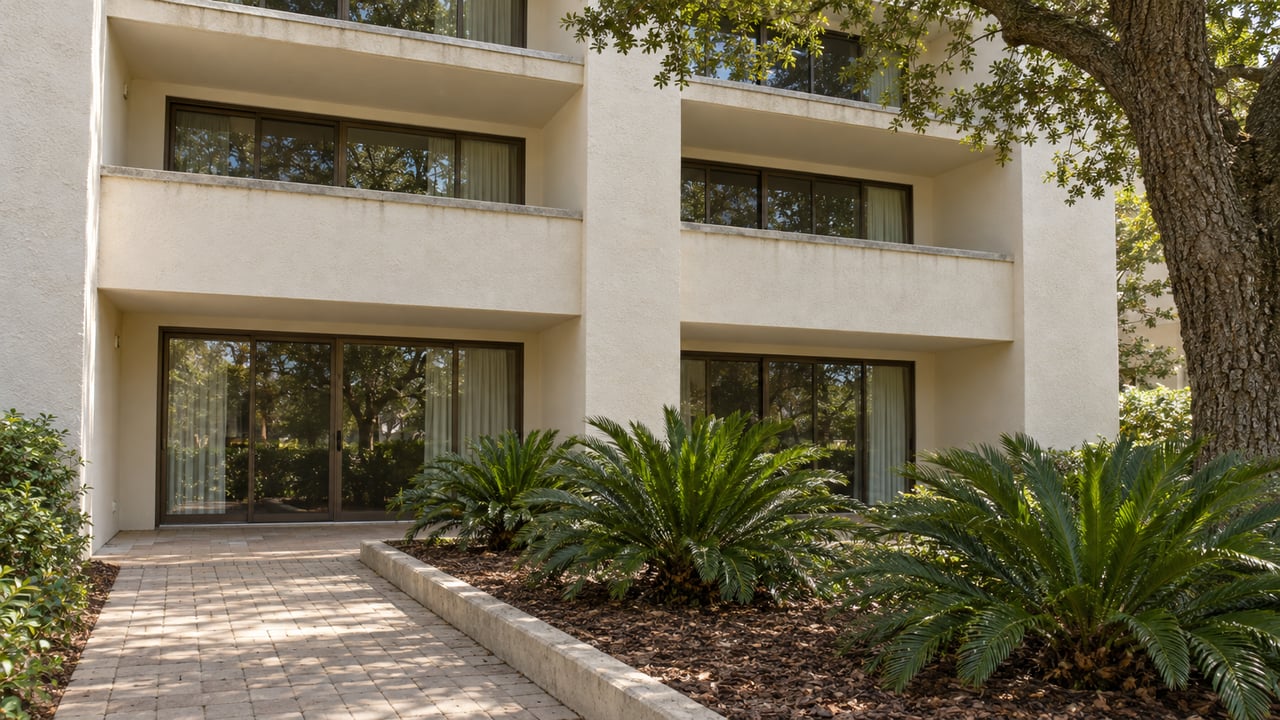
Why Identical Amelia Island Homes Sell for Different Prices
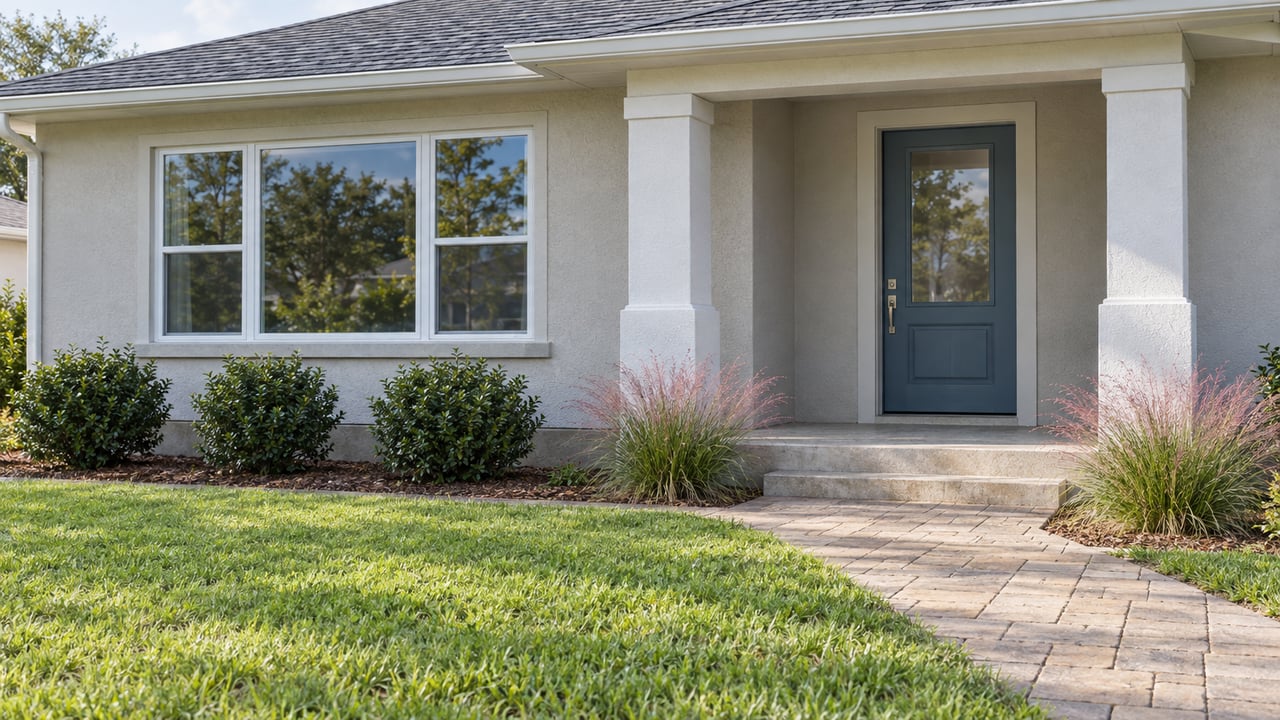
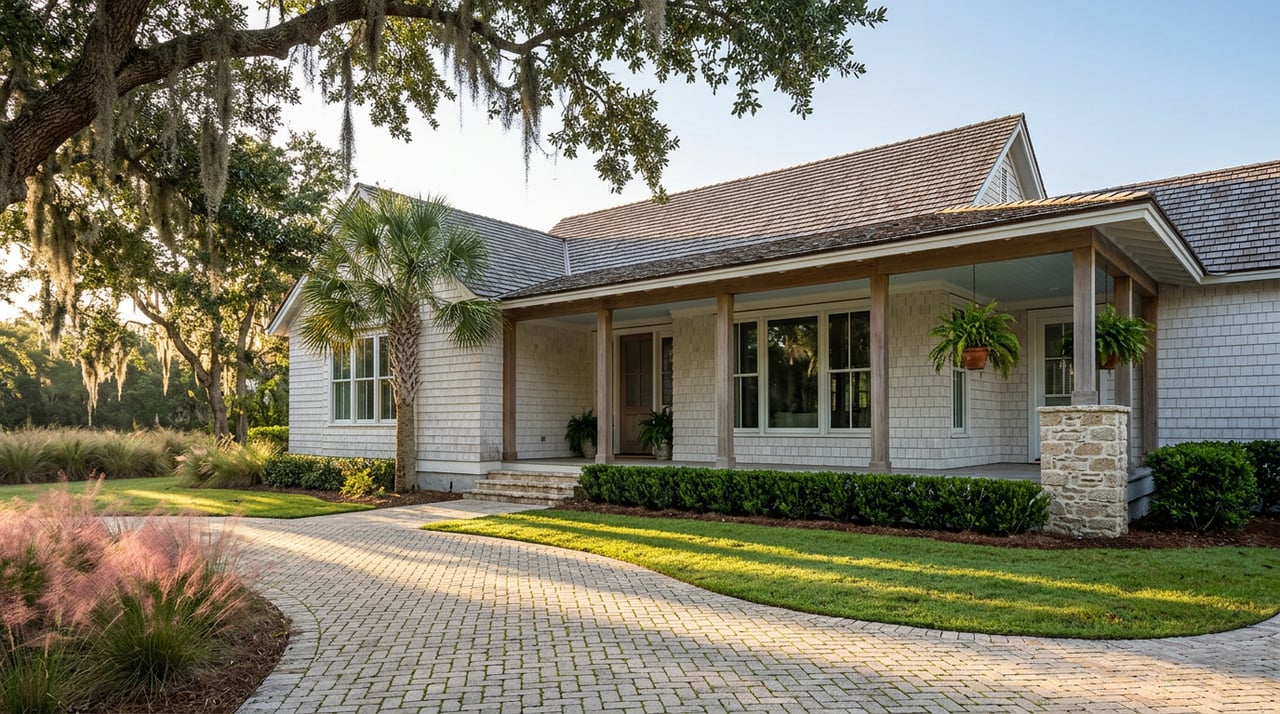
Put the two threads together and downtown is placing two different bets at the same time.
Get personalized guidance from Jon Bell and take the next step toward buying or selling with confidence.